Alexandre Casaccia
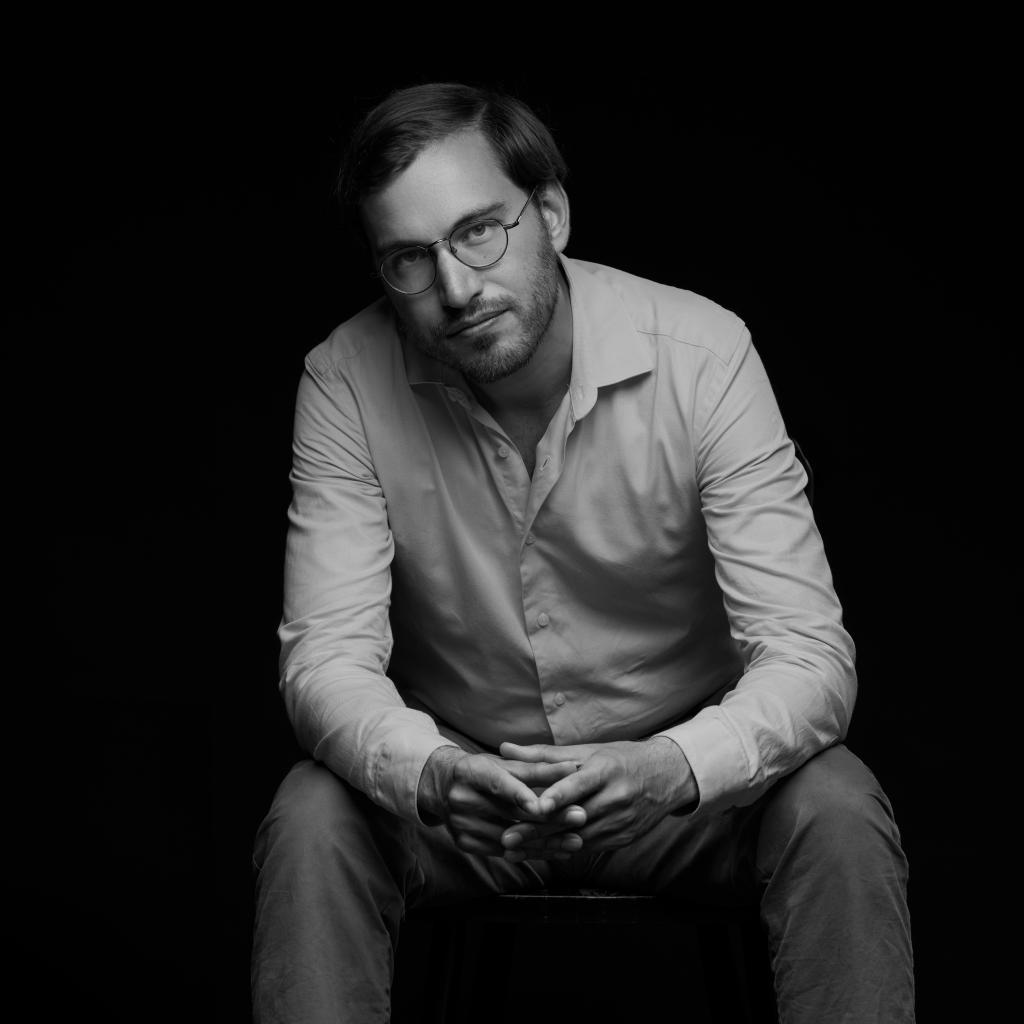
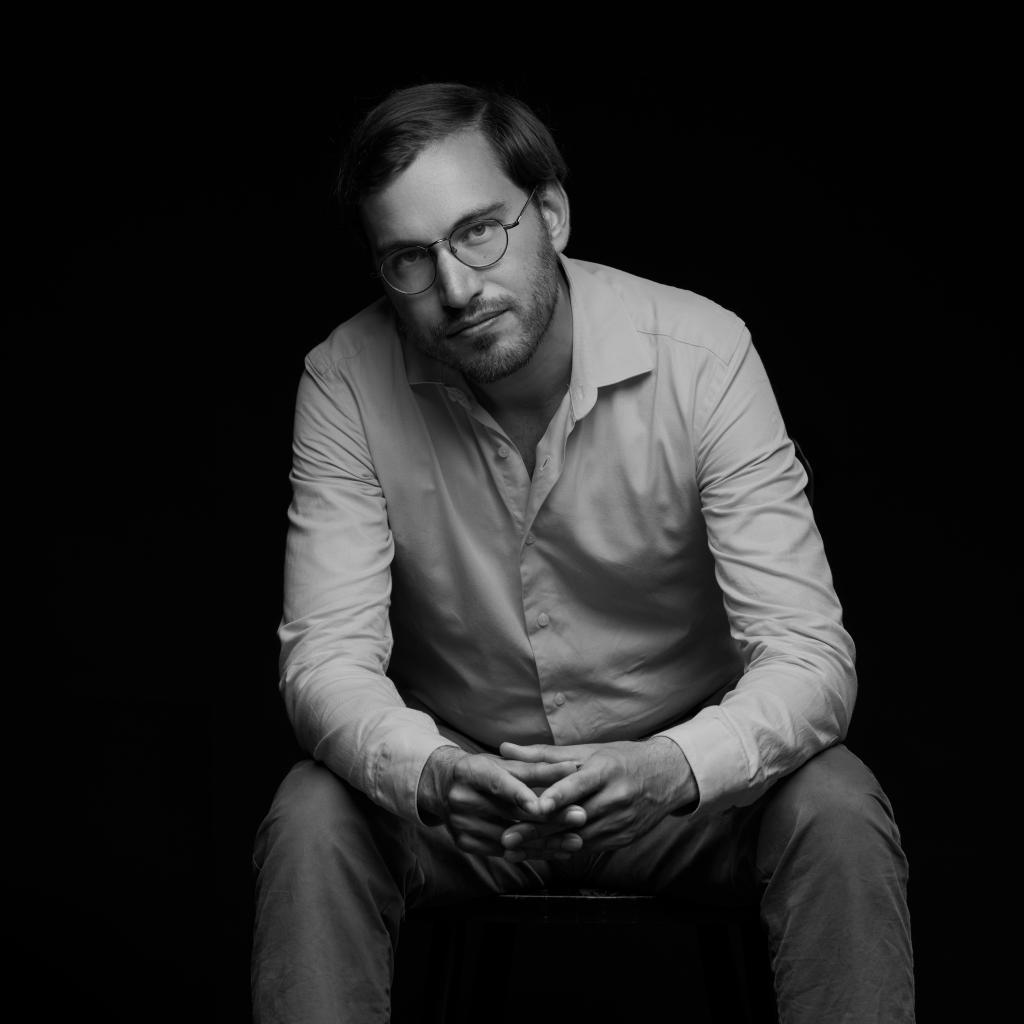
Alexandre Casaccia (b. 1991) is an Italian composer whose catalogue encompasses chamber, orchestral, piano and electroacoustic music. His work brings lyrical intensity, vivid instrumental colour and intellectual ambition to a musical language shaped by song and the transforming force of memory.
Raised in a musical family, Casaccia gave his first piano recital at the age of six and began composing during his teenage years. Following his training as a pianist, he studied harmony, counterpoint and fugue with Paolo Arcà at the “Giuseppe Verdi” Conservatory in Milan. He subsequently specialised in composition at the “Luca Marenzio” Conservatory in Brescia with Paolo Ugoletti and Federico Biscione. In 2025, he completed his Master of Music in Composition with the highest mark under Biscione’s supervision. His thesis examined the historical development of mixed chamber ensembles and the continuing influence of eighteenth-century ideals on contemporary chamber music.
Casaccia also holds a degree in History and International Relations from the London School of Economics. His interdisciplinary background informs his interest in musical memory, historical transmission and the cultural significance of artistic form. He has delivered lectures and seminars on the relationship between contemporary music and cultural history and is the author of From Palestrina to Bach: A Treatise on Counterpoint, alongside writings on music theory, history and aesthetics.
Eclectic in both taste and output, his work ranges from electroacoustic compositions to traditional chamber and orchestral music. His creative practice is grounded in the belief that song is an anthropological constant, and that pitch—especially in its linear unfolding—acts as the primary architect of musical form. In this spirit, his compositions seek to reawaken the expressive power of song within a contemporary sound world, bridging historical memory with experimental innovation in a process of mnemonic deformation. Memory thus functions both as a subject of his music and as a condition of listening, shaping how musical relationships emerge through recognition, expectation and altered return.
His works include Anatomy of Light, Op. 1, for alto saxophone and piano, published by Zecchini Editore; Shades of Light, Op. 2, written for Luca Marenzio Brass and recorded under Federico Biscione; and Ararat, Op. 3, commissioned by Quintetto Pentafiati. His engagement with recorded sound and other media encompasses the electroacoustic Wasteland, conceived for his short film Cement Anxieties, and Impending!, Op. 4, an orchestral score for the audio documentary Climate Change and Its Impact on Human Health.
In 2026, he completed three large-scale piano works: Labyrinth, Op. 5, a three-movement cycle dedicated to Riccardo Insinga; Afterlight, piano sonata No. 1, Op. 6, dedicated to Lili Ferrari; and Aspiration to Enfold All, Op. 7, commissioned by Carlo Prampolini, comprising thirty-two preludes in two books and a concluding postlude. Combining newly composed music with extensively reworked materials whose documented origins reach back to 2017, these works mark the culmination of a formative period in his compositional development.
Casaccia’s music has attracted commissions and performances from an expanding circle of accomplished interpreters, including Alessio Brontesi (trombone), Angelo Cavallo (trumpet), Francesca Fantini (saxophone), Carlo Prampolini, Claudio Sanna and Alessandro Zanotti (piano), and ensembles such as Luca Marenzio Brass and Quintetto Pentafiati. His works have also been performed under the baton of Federico Biscione and Leonardo Perico. Together with repeat performances of his works, studio recordings and publication by Zecchini Editore, these artistic relationships mark the emergence of a composer whose lyrical voice is matched by intellectual ambition and exacting craft.